

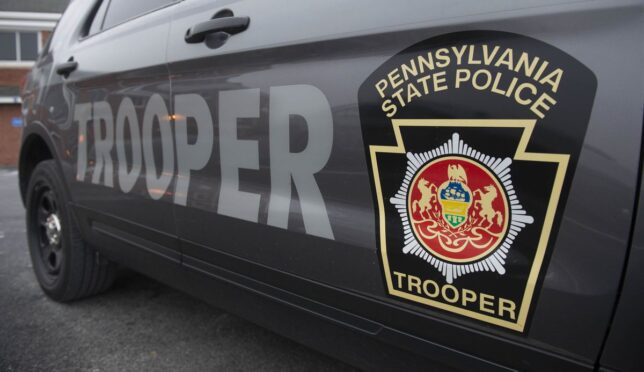
Harrisburg, PA – As part of the Shapiro Administration’s commitment to transparency and fair policing, the Pennsylvania State Police (PSP) today announced the release of an independent analysis of data collected from all trooper-initiated traffic stops conducted in 2025. The report was conducted by a research team based at the University of Cincinnati and led by Dr. Robin Engel, Senior Research Scientist at The Ohio State University’s John Glenn College of Public Affairs and one of the nation’s leading policing researchers. The report represents the latest findings from PSP’s traffic stop data collection initiative, which is designed to strengthen public trust, enhance trooper and motorist safety, and inform policy and training.
The independent analysis found no substantive racial or ethnic disparities in the reasons for traffic stops or in post-stop outcomes (warnings, citations, arrests, and searches). The report also reaffirmed the reliability and validity of PSP’s data collection process, which continues to be recognized as one of the nation’s most comprehensive and high-quality law enforcement data programs.
“The independent analysis by nationally recognized policing expert Dr. Robin Engel and her team confirms, once again, that Pennsylvania State Police members initiate traffic stops based on legitimate legal violations,” said Lieutenant Colonel George L. Bivens, Acting Commissioner of the Pennsylvania State Police. “Decisions regarding warnings, citations, searches, and arrests are driven by the facts of each encounter—including the reason for the stop, investigative findings, and a driver’s behavior—not by race or ethnicity. Our commitment to fair and impartial policing is supported by transparent, independently reviewed data.”
“For over 15 years, the Pennsylvania State Police have partnered with independent researchers to strengthen transparency and build public trust through rigorous traffic stop data collection and analysis,” said Dr. Robin Engel, lead author of the report. “The 2025 findings show high-quality data, stable patterns over time, and no substantive racial or ethnic disparities in traffic stop enforcement outcomes after relevant legal and situational factors are considered. This sustained commitment to evidence-based policing positions PSP as a national leader in accountability and continuous improvement.”
An internationally recognized scholar in police science, Dr. Engel’s research focuses on improving police-community interactions, reducing harm, and advancing evidence-based policing through partnerships between researchers and law enforcement agencies.
PSP’s robust contact data collection program is designed to enhance public trust through transparency, inform policy and training decisions, and enhance public confidence in policing. The department voluntarily records detailed information about each traffic stop, including the legal reason, characteristics of the vehicle and driver, and whether the stop resulted in a warning, citation, or arrest. If a search is conducted, troopers document the legal justification and the results.
The 2025 analysis examined 423,007 traffic stops statewide. Almost 60 percent involved moving violations, while the remaining stops resulted from registration, equipment, inspection, or driver’s license violations. Speeding remained the most common reason for a stop, with stopped drivers exceeding the speed limit by an average of 21.7 mph.
The vast majority of traffic stops resulted in either warnings or citations. Arrests occurred in only 3.7% of stops, while searches were conducted in just 4.5% of cases. The strongest predictors of all post-stop outcomes were legal factors—such as the initial reason for the stop, observed evidence of criminal activity, the driver’s compliance, and any criminal history, such as outstanding warrants.
Notably, PSP’s discretionary searches resulted in the seizure of contraband in nearly 67 percent of cases.
The Pennsylvania State Police was among the first state law enforcement agencies in the nation to voluntarily collect comprehensive traffic stop data. The department first partnered with Dr. Engel and her research team in 1999 and continued voluntary data collection through 2010. The PSP reinitiated contact data collection for trooper-initiated traffic stops in 2021.
Contact data reporting affirms PSP’s commitment to professional, transparent, and equitable law enforcement practices. The complete 2025 report can be found on the Contact Data Reporting page of the PSP website.
Since Governor Shapiro took office, violent crime has gone down 16%, and homicides have decreased by 39%. The 2026-27 budget builds on this progress by investing $16.2 million to train four additional PSP cadet classes, approximately 380 troopers, which delivers in full on a core promise the Governor made to put 2,000 more law enforcement officers and troopers on the beat in our communities.
In total, Governor Shapiro has secured funding for 16 cadet classes to train over 1,600 new PSP troopers and obtained funding through the Pennsylvania Commission on Crime and Delinquency (PCCD) to help municipal police departments recruit and retain nearly 700 municipal police officers across the Commonwealth. To date, approximately 626 cadets have graduated and joined the ranks of PSP under Governor Shapiro’s leadership.
For more information on the Pennsylvania State Police, visit the PSP website.