

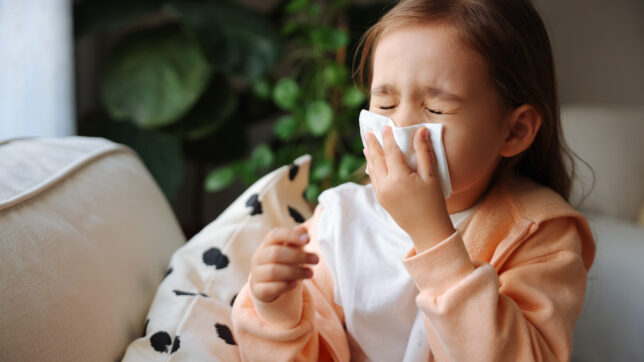
(Photo Provided with Release Courtesy of Allegheny Health Network)
Noah Haswell, Beaver County Radio News
(Pittsburgh, PA) A new clinical study just published in the Journal of Epidemiology and Community Health, which you can find by going to this website, (https://doi.org/10.1136/jech-
- Minimize kids’ exposure: For seasonal allergies in severe cases, sometimes the best course of action is to stay indoors and minimize exposure to outdoor allergens; simple things like keeping windows closed at home or in the car can make a noticeable difference.
- Wipe off before coming back indoors: After children are finished playing outdoors, have them change their clothes and wipe their faces, hands and legs to minimize outdoor pollen making its way inside the home. This also goes for pets that track in pollen and mold spores.
- Over-the-counter medications: The first line of allergy management is over-the-counter antihistamines, which can be taken once daily for moderate symptoms and twice daily for more severe symptoms in consultation with your pediatrician. Non-drowsy antihistamines like Claritin or Zyrtec can be recommended safely for children, in addition to a nasal spray like Flonase.
- Specialist visit: If it’s unclear whether a child truly has allergies, or if the child’s symptoms persist despite medication, a visit to a pediatric allergist may be warranted. The allergist may consider immunotherapy — allergy shots — to reduce symptoms and decrease the need for daily medication.